






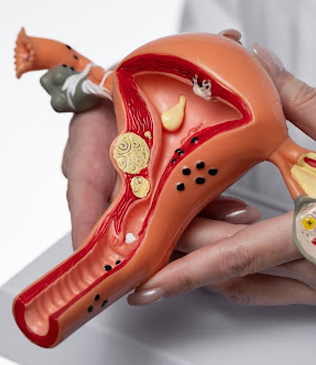
Vaginal Surgeries
Vaginal surgeries are specialized gynecological procedures performed through the vaginal canal without the need for large abdominal incisions. These procedures are commonly used to treat conditions affecting the uterus, vagina, and pelvic floor structures. Vaginal surgical techniques allow doctors to access the reproductive organs directly, making the procedure less invasive and promoting faster recovery.
Vaginal surgeries are often recommended for conditions such as uterine prolapse, pelvic organ prolapse, vaginal cysts, and other pelvic floor disorders. Because the surgery is performed through the vaginal route, patients usually experience less postoperative discomfort, minimal scarring, and a shorter hospital stay. With modern surgical techniques and experienced gynecological care, vaginal surgeries provide effective treatment while improving a woman’s comfort and quality of life.
Common Conditions Treated with Vaginal Surgeries
- Uterine prolapse (descent of the uterus into the vagina)
- Vaginal wall prolapse such as cystocele or rectocele
- Pelvic organ prolapse
- Removal of vaginal cysts or benign growths
- Repair of pelvic floor weakness
- Reconstructive procedures to restore vaginal support
Advantages of Vaginal Surgery
- No external abdominal incision or visible scars
- Less postoperative pain compared to open surgery
- Shorter hospital stay and quicker discharge
- Faster recovery and return to normal activities
- Lower risk of surgical complications
- Improved pelvic floor function and support
Procedure Overview
- Detailed gynecological evaluation before surgery
- Administration of appropriate anesthesia
- Surgical access through the vaginal canal
- Repair or removal of affected tissues or organs
- Strengthening of pelvic floor structures
- Careful monitoring during and after the procedure
Recovery After Vaginal Surgery
- Short recovery time compared to traditional surgery
- Mild discomfort or soreness for a few days
- Gradual return to daily activities
- Follow-up visits to ensure proper healing
- Guidance on pelvic floor exercises and hygiene
- Medical advice on physical activity and lifestyle care
When Vaginal Surgery May Be Recommended
- Symptoms of uterine or vaginal prolapse
- Persistent pelvic pressure or heaviness
- Difficulty with bladder or bowel control
- Presence of vaginal cysts or abnormal growths
- Pelvic floor weakness affecting daily life
- Conditions requiring reconstructive pelvic surgery
Vaginal surgeries provide an effective and minimally invasive solution for many gynecological conditions. With modern surgical techniques, proper diagnosis, and experienced medical care, these procedures help restore pelvic support, relieve symptoms, and improve overall reproductive and pelvic health.