






• Call Us +91-9004382035  |  +91-9769267971  |  +91-22-35688180
  • ×
  • Book Appointment
  • Online Consultation
Ethical, doctor-led IVF and fertility care you can trust. A one-stop center for comprehensive women’s health, fertility, and advanced gynecological care.

Fertility

Home > Intrauterine Insemination (IUI)

Ashish Women Care & Fertility Clinic
Intrauterine Insemination (IUI)

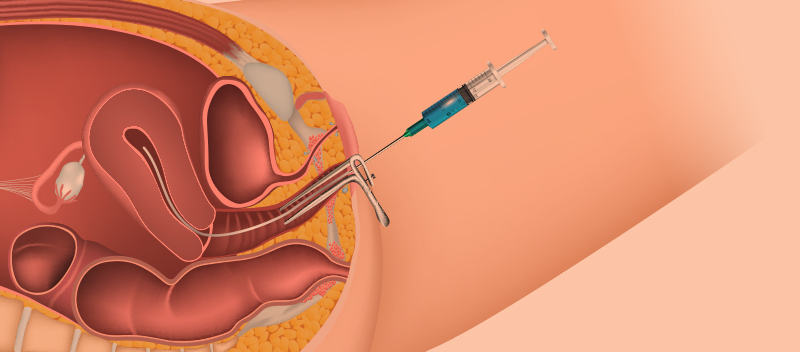
Intrauterine Insemination (IUI) is a common fertility treatment that involves placing sperm directly into the uterus around the time of ovulation to increase the chances of fertilization. It is often used as a first-line treatment for couples with fertility issues before considering more advanced procedures like IVF.

How IUI Works: Step-by-Step

Here’s a detailed overview of the IUI procedure:

Preparation and Evaluation

  • Initial Consultation: A fertility specialist will assess both partners’ fertility through a variety of tests, including semen analysis for the male partner and ovulation tracking and hormone tests for the female partner.
  • Treatment Plan: Based on the results, a treatment plan is developed. This may include the use of ovulation-inducing medications for the woman.

Ovarian Stimulation (if needed)

  • Medications: If necessary, the woman may be prescribed oral medications (like clomiphene citrate) or injections (like gonadotropins) to stimulate the ovaries to produce one or more eggs.
  • Monitoring: Ultrasound scans and blood tests are used to monitor follicle development and hormone levels to time the insemination procedure accurately.

Sperm Preparation

  • Sperm Collection: The male partner provides a sperm sample on the day of the IUI procedure. In cases of severe male infertility, sperm may be collected through surgical methods if needed.
  • Sperm Washing: The sperm sample is processed and "washed" in the laboratory to concentrate the sperm and remove seminal fluid and other components. This improves the quality and quantity of sperm that will be used for insemination.

Timing of IUI

  • Ovulation Detection: The timing of IUI is crucial. The procedure is scheduled based on ovulation, which may be detected through monitoring or using ovulation predictor kits.
  • Insemination: IUI is usually performed when the woman is near ovulation, either spontaneously or after ovulation-inducing medication.

Insemination Procedure

  • Procedure: During the IUI procedure, a thin, flexible catheter is inserted through the cervix into the uterus. The prepared sperm is then injected directly into the uterine cavity.
  • Duration: The procedure is relatively quick and typically takes about 5-10 minutes. It is usually done in a doctor's office and does not require anesthesia.

Post-Procedural Care

  • Rest: The woman may be asked to rest briefly after the procedure, but most can return to normal activities immediately.
  • Monitoring: After the procedure, the woman may be prescribed progesterone supplements to support the uterine lining and enhance the chances of implantation.

Pregnancy Test

  • Timing: About 2 weeks after the IUI procedure, a blood test is conducted to check for pregnancy.
  • Follow-Up: If the test is positive, follow-up appointments and ultrasounds will be scheduled to monitor the early stages of pregnancy.

Who Should Consider IUI?

  • Unexplained Infertility: Couples with no identifiable cause of infertility.
  • Mild Male Factor Infertility: Issues like low sperm count or poor sperm motility that do not warrant more invasive treatments.
  • Ovulation Disorders: Women with irregular or absent ovulation who can benefit from ovulation-stimulating medications.
  • Cervical Mucus Problems: Women with cervical mucus issues that may impair sperm transport.
  • Endometriosis: Mild cases of endometriosis where IUI may be beneficial.
  • Same-Sex Couples or Single Women: Individuals or couples using donor sperm.

Success Rates of IUI

Success rates for IUI depend on various factors:

  • Age: Women under 35 generally have higher success rates.
  • Cause of Infertility: Success rates may vary based on the underlying fertility issue.
  • Use of Fertility Medications: Ovulation-stimulating medications can improve success rates.

On average:

  • Per Cycle: The success rate for IUI ranges from 10-20% per cycle.
  • Cumulative Success: Success rates increase with multiple cycles of IUI, with many couples achieving pregnancy within 3-6 cycles.

IUI vs. IVF

  • IUI: Involves placing sperm directly into the uterus. It is less invasive and less expensive but may have lower success rates compared to IVF.
  • IVF: Involves retrieving eggs, fertilizing them in the lab, and transferring embryos to the uterus. It is more invasive and expensive but often used when IUI is unsuccessful or not suitable.