






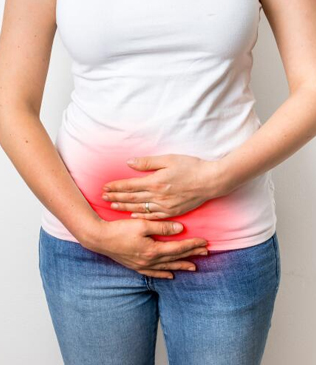
Menstrual Problems
Menstrual problems are common gynecological concerns that affect women of different age groups, from adolescence to menopause. A normal menstrual cycle usually occurs every 21 to 35 days and lasts for about 3 to 7 days. However, many women may experience irregular cycles, heavy bleeding, painful periods, or other menstrual disturbances that can interfere with daily life and overall well-being.
Menstrual irregularities can occur due to hormonal imbalances, lifestyle factors, stress, medical conditions, or underlying reproductive health issues. Early evaluation and proper treatment can help identify the cause and restore a healthy menstrual cycle. Timely medical care also helps prevent complications related to reproductive health and fertility.
Common Types of Menstrual Problems
- Irregular menstrual cycles
- Heavy menstrual bleeding (menorrhagia)
- Painful periods (dysmenorrhea)
- Missed or absent periods (amenorrhea)
- Very light or infrequent periods
- Premenstrual syndrome (PMS)
Possible Causes of Menstrual Problems
- Hormonal imbalances affecting ovulation
- Polycystic Ovary Syndrome (PCOS)
- Thyroid disorders
- Uterine fibroids or polyps
- Endometriosis
- Stress, weight changes, or lifestyle factors
Symptoms That Should Not Be Ignored
- Periods lasting longer than seven days
- Excessively heavy bleeding requiring frequent pad changes
- Severe pelvic or abdominal pain during menstruation
- Missed periods for several months
- Bleeding between menstrual cycles
- Fatigue or weakness associated with heavy bleeding
Diagnosis and Evaluation
- Detailed medical and menstrual history
- Physical and gynecological examination
- Hormonal blood tests
- Ultrasound examination of the uterus and ovaries
- Screening for PCOS or thyroid disorders
- Additional diagnostic tests if required
Treatment and Management Options
- Hormonal medications to regulate cycles
- Pain relief treatment for menstrual cramps
- Treatment of underlying conditions such as PCOS or thyroid disorders
- Lifestyle and dietary modifications
- Management of anemia caused by heavy bleeding
- Advanced medical or surgical treatments when required
Tips for Maintaining Menstrual Health
- Maintain a balanced and nutritious diet
- Engage in regular physical activity
- Manage stress through relaxation techniques
- Maintain a healthy body weight
- Track menstrual cycles regularly
- Consult a gynecologist if irregularities persist
Menstrual health is an important part of a woman’s overall well-being. Regular gynecological consultations and timely treatment can help manage menstrual problems effectively and improve quality of life. With proper diagnosis, personalized treatment, and healthy lifestyle practices, most menstrual disorders can be successfully managed.