





Menopause Problems
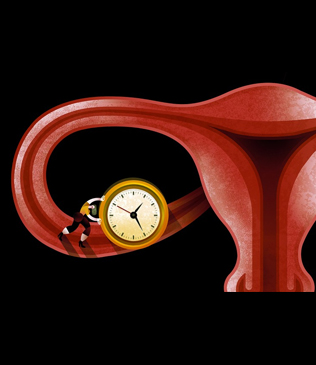
Menopause is a natural phase in a woman’s life that marks the end of her menstrual cycles and reproductive years. It usually occurs between the ages of 45 and 55 and is diagnosed after 12 consecutive months without a menstrual period. During this stage, the body undergoes hormonal changes, especially a decline in estrogen and progesterone levels, which can lead to various physical and emotional symptoms.
While menopause is a normal biological process, some women experience uncomfortable symptoms that may affect their quality of life. Proper medical guidance and supportive care can help manage these symptoms effectively and ensure overall health and well-being during this transition.
Common Symptoms of Menopause
- Hot flashes and night sweats
- Irregular or missed menstrual periods
- Mood swings or irritability
- Difficulty sleeping or insomnia
- Vaginal dryness or discomfort
- Reduced energy levels and fatigue
Health Changes During Menopause
- Hormonal fluctuations affecting the body
- Changes in bone density and risk of osteoporosis
- Weight gain or changes in metabolism
- Increased risk of heart-related conditions
- Changes in skin and hair health
- Reduced reproductive hormone levels
Diagnosis and Medical Evaluation
- Review of medical and menstrual history
- Assessment of symptoms and lifestyle factors
- Hormonal blood tests if required
- Bone density tests for osteoporosis screening
- General health check-ups and preventive screening
- Evaluation of cardiovascular and metabolic health
Management and Treatment Options
- Hormone replacement therapy (HRT) when appropriate
- Medications to manage symptoms such as hot flashes
- Calcium and vitamin D supplementation for bone health
- Lifestyle modifications and balanced diet
- Regular physical activity and exercise
- Emotional and psychological support
Tips for Healthy Menopause
- Maintain a healthy and balanced diet
- Engage in regular physical activity
- Practice stress management and relaxation techniques
- Ensure adequate sleep and rest
- Avoid smoking and excessive alcohol consumption
- Schedule regular health check-ups with a gynecologist
Menopause is a significant life transition, but with proper care and medical guidance, women can manage symptoms effectively and maintain a healthy lifestyle. Early consultation with a healthcare professional, along with preventive care and lifestyle changes, can help women navigate menopause comfortably and confidently.