






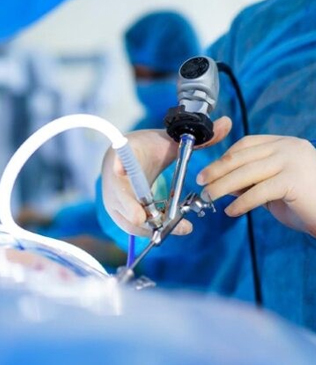
Hysteroscopic Surgeries
Hysteroscopic surgery is a minimally invasive procedure used to diagnose and treat conditions affecting the inside of the uterus. It involves the use of a hysteroscope, which is a thin, lighted instrument equipped with a camera. The hysteroscope is inserted through the vagina and cervix into the uterus, allowing the doctor to clearly view the uterine cavity without making external incisions.
This advanced technique enables gynecologists to identify and treat various uterine conditions with precision and minimal discomfort. Hysteroscopic procedures are commonly used to remove uterine polyps, fibroids, adhesions, and to evaluate abnormal uterine bleeding or infertility issues. Since the procedure does not require large incisions, recovery is usually faster and patients can often return home the same day.
Conditions Treated with Hysteroscopic Surgery
- Uterine polyps
- Submucosal fibroids
- Abnormal uterine bleeding
- Uterine adhesions (Asherman's syndrome)
- Congenital uterine abnormalities
- Evaluation of infertility or recurrent miscarriages
Advantages of Hysteroscopic Surgery
- No external cuts or surgical scars
- Minimally invasive procedure
- Short hospital stay or same-day discharge
- Quick recovery and minimal discomfort
- Accurate diagnosis and targeted treatment
- Preserves the uterus and reproductive health
Procedure Overview
- Preparation and administration of anesthesia if required
- Insertion of the hysteroscope through the cervix
- Visualization of the uterine cavity on a monitor
- Identification of abnormalities or growths
- Removal or treatment of the affected tissue
- Completion of the procedure with minimal trauma
Recovery After Hysteroscopic Surgery
- Mild cramping or spotting for a short period
- Quick return to normal daily activities
- Minimal post-procedure discomfort
- Follow-up consultation with the gynecologist
- Guidance on reproductive health and fertility
- Monitoring for complete healing
When Hysteroscopy is Recommended
- Irregular or heavy menstrual bleeding
- Unexplained infertility
- Repeated miscarriages
- Suspected uterine polyps or fibroids
- Abnormal findings in ultrasound reports
- Evaluation of the uterine cavity before fertility treatments
Hysteroscopic surgery is a safe and effective procedure that allows doctors to diagnose and treat uterine conditions with minimal discomfort and faster recovery. With modern technology and expert gynecological care, hysteroscopy helps improve reproductive health and enhances treatment outcomes for many women.