






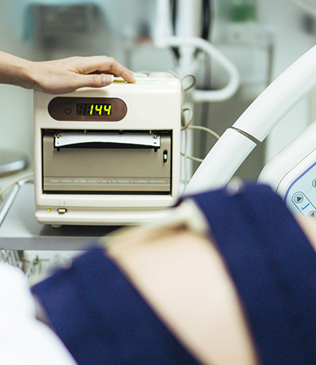
Labour Monitoring
Labour monitoring is a crucial part of safe childbirth. It involves continuous observation of both the mother and the baby during the process of labor to ensure that delivery progresses smoothly and safely. Proper monitoring helps healthcare providers identify any complications early and take timely action when necessary.
Throughout labor, several important factors are carefully assessed, including the baby’s heart rate, the strength and frequency of contractions, cervical dilation, and the overall well-being of the mother. With modern monitoring techniques and experienced obstetric care, most women can have a safe and well-managed labor experience.
Why Labour Monitoring is Important
- Ensures the safety and well-being of both mother and baby
- Helps track the progress of labor effectively
- Identifies complications or delays during delivery
- Monitors fetal heart rate and baby’s response to contractions
- Guides timely medical decisions if intervention is needed
- Provides reassurance and support to the mother during labor
Key Aspects of Labour Monitoring
- Monitoring the baby’s heart rate using fetal monitoring devices
- Tracking the strength and frequency of uterine contractions
- Checking cervical dilation and progression of labor
- Observing the baby’s position and descent through the birth canal
- Assessing the mother’s vital signs such as blood pressure and pulse
- Ensuring the mother’s comfort and hydration during labor
Modern Labour Monitoring Techniques
- Electronic fetal monitoring (EFM) for continuous tracking
- Intermittent fetal heart rate monitoring
- Use of partograph to assess labor progress
- Ultrasound assessment when necessary
- Close observation by experienced obstetric and nursing staff
- Use of safe medical interventions when required
Supportive Care During Labour
- Guidance on breathing and relaxation techniques
- Pain management options during labor
- Encouragement of comfortable labor positions
- Emotional support and reassurance for the mother
- Continuous supervision by skilled healthcare professionals
- Immediate newborn care after delivery
When Medical Intervention May Be Needed
- Prolonged or slow progression of labor
- Abnormal fetal heart rate patterns
- Signs of fetal distress
- Maternal exhaustion or complications
- Need for assisted delivery or cesarean section
- Any sudden changes in mother or baby’s condition
Effective labour monitoring plays a vital role in ensuring a safe and positive childbirth experience. With attentive care, modern monitoring technology, and experienced obstetric support, mothers can receive the right care at the right time, promoting the health and safety of both mother and baby throughout the delivery process.