






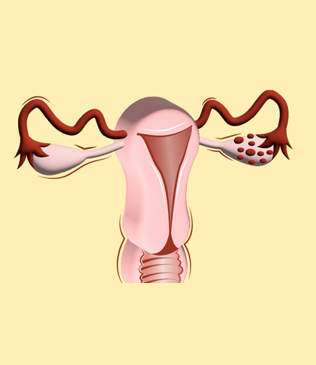
PCOD (Polycystic Ovarian Disease)
Polycystic Ovarian Disease (PCOD) is a common hormonal condition that affects women of reproductive age. In this condition, the ovaries produce higher levels of male hormones (androgens), which can disrupt the normal menstrual cycle and ovulation process. As a result, small fluid-filled sacs or cysts may develop in the ovaries.
PCOD can lead to irregular periods, weight gain, acne, excessive hair growth, and difficulty in conceiving. Although PCOD is a long-term condition, it can be effectively managed with proper medical treatment, lifestyle changes, and regular monitoring. Early diagnosis and treatment help maintain hormonal balance and improve reproductive health.
Common Symptoms of PCOD
- Irregular or missed menstrual periods
- Excessive hair growth on the face or body
- Acne or oily skin
- Weight gain or difficulty losing weight
- Thinning hair or hair loss on the scalp
- Difficulty conceiving due to irregular ovulation
Causes and Risk Factors
- Hormonal imbalance affecting ovulation
- Insulin resistance leading to increased androgen levels
- Genetic or hereditary factors
- Unhealthy lifestyle or poor dietary habits
- Obesity or excess body weight
- Chronic stress and lack of physical activity
Diagnosis and Evaluation
- Detailed medical and menstrual history
- Physical and gynecological examination
- Hormonal blood tests
- Pelvic ultrasound to examine the ovaries
- Screening for thyroid disorders or diabetes
- Assessment of overall metabolic health
Treatment and Management
- Medications to regulate menstrual cycles
- Treatment to manage hormonal imbalance
- Weight management through diet and exercise
- Medications to improve insulin sensitivity
- Treatment for acne and excessive hair growth
- Fertility treatment if pregnancy is desired
Lifestyle Changes for Managing PCOD
- Maintaining a balanced and nutritious diet
- Regular physical activity and exercise
- Maintaining a healthy body weight
- Managing stress through relaxation techniques
- Adequate sleep and healthy daily routine
- Regular medical follow-up and monitoring
PCOD is a manageable condition when diagnosed early and treated appropriately. With proper medical care, lifestyle modifications, and regular follow-up, women with PCOD can maintain hormonal balance, regulate menstrual cycles, and improve fertility outcomes. A healthy lifestyle and timely medical guidance play an important role in managing this condition effectively.